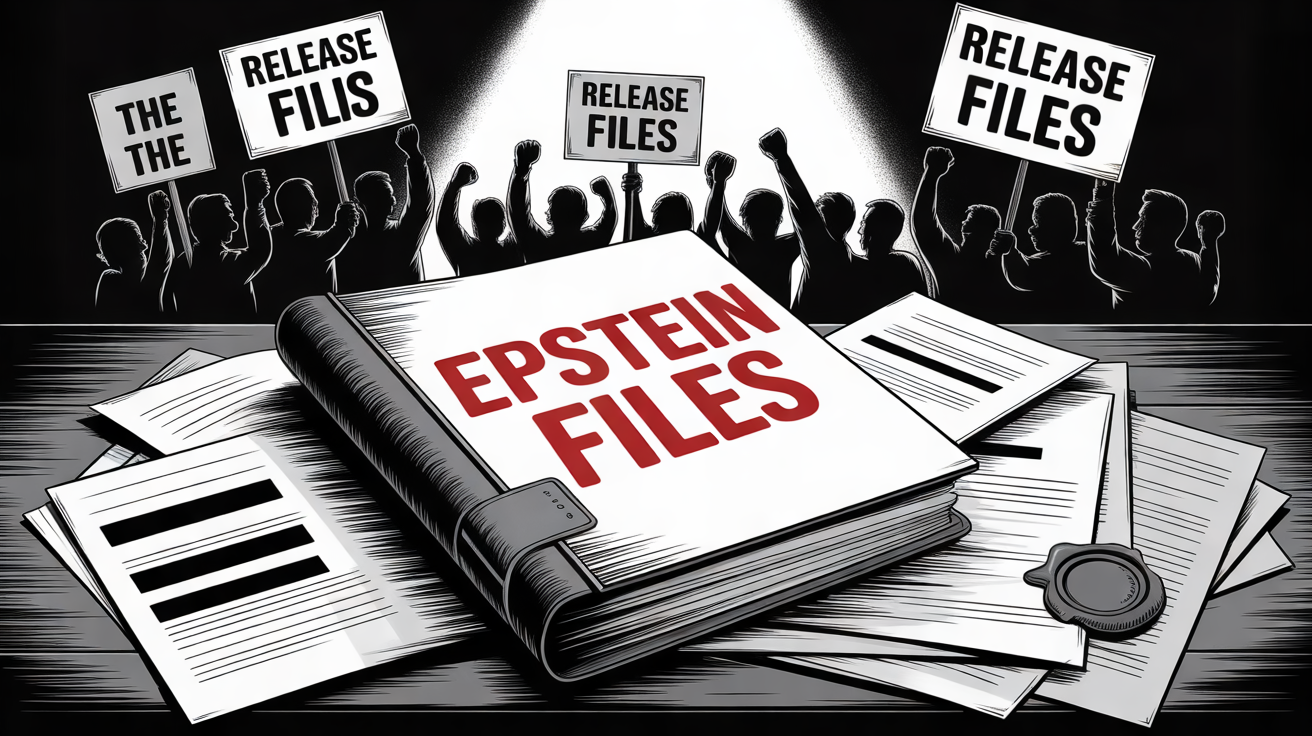
The Epstein files are a broad collection of records related to Jeffrey Epstein, his associates, and investigations into his conduct-not a single official archive. The South Florida Media Epstein File Viewer provides access to records such as court filings, testimony, police reports, flight logs, contact books, financial records, and correspondence that have been made public through court cases, government processes, and public records requests.
These materials document allegations, evidence, and associations, but a person’s name appearing in them does not establish wrongdoing. View The Epstein Files! The sections below explain what the records contain, how they became public, and how to assess claims.
Main Takeaways
- The “Epstein files” is a broad shorthand for records connected to Jeffrey Epstein, not one official, complete archive.
- The records may include court filings, depositions, police materials, flight logs, contact books, financial records, and correspondence.
- Materials became public through separate court unsealings, reporting, public records requests, and government or congressional releases.
- A person’s name or recorded association does not, by itself, prove misconduct, knowledge, or guilt.
- To verify a claim, locate the original document and case, check its date and context, and distinguish allegations from testimony and court findings.
What Are the Epstein Files, Exactly?
The “Epstein files” are not a single document or official archive, but a broad collection of records connected to Jeffrey Epstein and investigations into his conduct and associates. The phrase serves as public shorthand for material produced, gathered, or released through various legal and institutional processes. Its meaning can vary depending on the speaker, source, and context, so the label should not be treated as a precise title or as a guarantee that every referenced item has been verified.
Understanding Epstein files terminology requires separating the popular phrase from formal categories used by courts, agencies, and journalists. The scope of the Epstein files is consequently defined less by a single fixed collection than by the connection a record has to Epstein-related inquiries or proceedings. The term, by itself, does not establish that a person named in a document engaged in wrongdoing or that a record proves a particular allegation. Careful interpretation depends on context, provenance, and the status of the material. This distinction supports informed discussion without overstating what the label means.
What Records Do the Files Include?
Depending on the investigation or proceeding, Epstein-related records may include court filings, deposition transcripts, police reports, search-warrant materials, flight logs, contact books, financial records, and correspondence. Each category offers a different view of events, people, or transactions, and its significance depends on context and verification.
Epstein-related records span legal, investigative, travel, financial, and personal documents, each requiring context and verification to interpret.
- Court filings and testimony document claims, legal arguments, witness accounts, and rulings.
- Flight logs and contact books can show recorded travel or listed associations, but do not establish wrongdoing.
- Financial records and correspondence may help trace payments, business relationships, or communications.
The materials vary in format and completeness. Some are official records created by courts or law enforcement; others are private documents collected during investigations or litigation. Names may appear for many reasons, including as witnesses, employees, acquaintances, or people mentioned by others. The mere presence of a record does not prove that an individual committed a crime or knew of criminal conduct. Careful interpretation requires attention to dates, sources, surrounding evidence, and the specific questions each document can answer.
How Did the Epstein Files Become Public?
How did Epstein-related records become public? Their release followed several distinct processes rather than a single disclosure. Courts made some materials available through litigation, while government agencies and lawmakers released others under separate legal and political procedures.
Court unsealing played a central role. In civil cases involving Jeffrey Epstein and Ghislaine Maxwell, judges reviewed requests to unseal previously sealed filings and exhibits. Courts weighed public access against privacy, safety, and fair-trial concerns, sometimes ordering documents released with redactions. Journalists and public-interest groups also sought access through court motions and reporting.
Congressional disclosure provided another route. Lawmakers obtained or published records through investigations, hearings, and demands for government information. Agencies also responded to public-records requests and legal requirements, releasing eligible materials while withholding protected information. As records emerged across different dates and channels, reporting and digital archives helped the public locate them. The resulting collection is as a result a patchwork shaped by court orders, statutory rules, and institutional decisions, not one all-encompassing government file.
What Can the Records and Names Show?
Epstein-related records can document investigations, court proceedings, financial activity, and contacts, but their significance depends on the source and context of each item. Collectively, they can map events, relationships, and institutional decisions without providing a complete account of every interaction. Understanding what records reveal about Epstein’s network requires distinguishing documented connections from assumptions about their meaning.
- Investigative files may describe leads, interviews, and evidence gathered by authorities.
- Court records can show allegations, testimony, rulings, and the scope of legal proceedings.
- Financial and contact records may identify transactions, communications, or associations requiring context.
A name in a record does not, by itself, establish misconduct, knowledge of crimes, or a close relationship. The person may appear as a witness, employee, acquaintance, service provider, or incidental contact. How to interpret names in the documents depends on why they appear, who created the record, and what the surrounding material states. Records can illuminate patterns and unanswered questions, but they do not automatically establish intent, guilt, or the full nature of a relationship.
How Can You Check Claims About the Files?
Checking claims about the files requires tracing each statement to its original source and examining the surrounding context. A reliable review begins by identifying the specific document, its filing date, the court, and the case in which it appeared. Readers should distinguish sworn testimony, legal arguments, exhibits, and administrative records, since each carries different evidentiary weight.
To verify claims against original court filings, readers can consult court dockets and official document repositories rather than relying solely on screenshots, headlines, or social media summaries. They should compare quoted passages with the complete document and note whether a statement is an allegation, a denial, or a judicial finding. A person’s name appearing in a record does not, by itself, establish wrongdoing.
To Trace documents back to their source, readers can use docket numbers, exhibit labels, and release information. Reputable reporting can help locate records, but conclusions should rest on the primary material. Careful verification also accounts for redactions, missing pages, and later corrections before claims are repeated.
—————————
The South Florida Media Epstein File Viewer provides access to a varied public record, not a single verified account of wrongdoing. The documents can clarify investigations, court proceedings, and associations, but a person’s appearance in a record does not establish misconduct. Reliable interpretation depends on checking the original document, its context, and any corroborating evidence. As additional materials are released, readers should distinguish documented facts from allegations and speculation while recognizing the files’ evidentiary value and limits. View The Epstein Files!